The click, the blue flicker, and then nothing
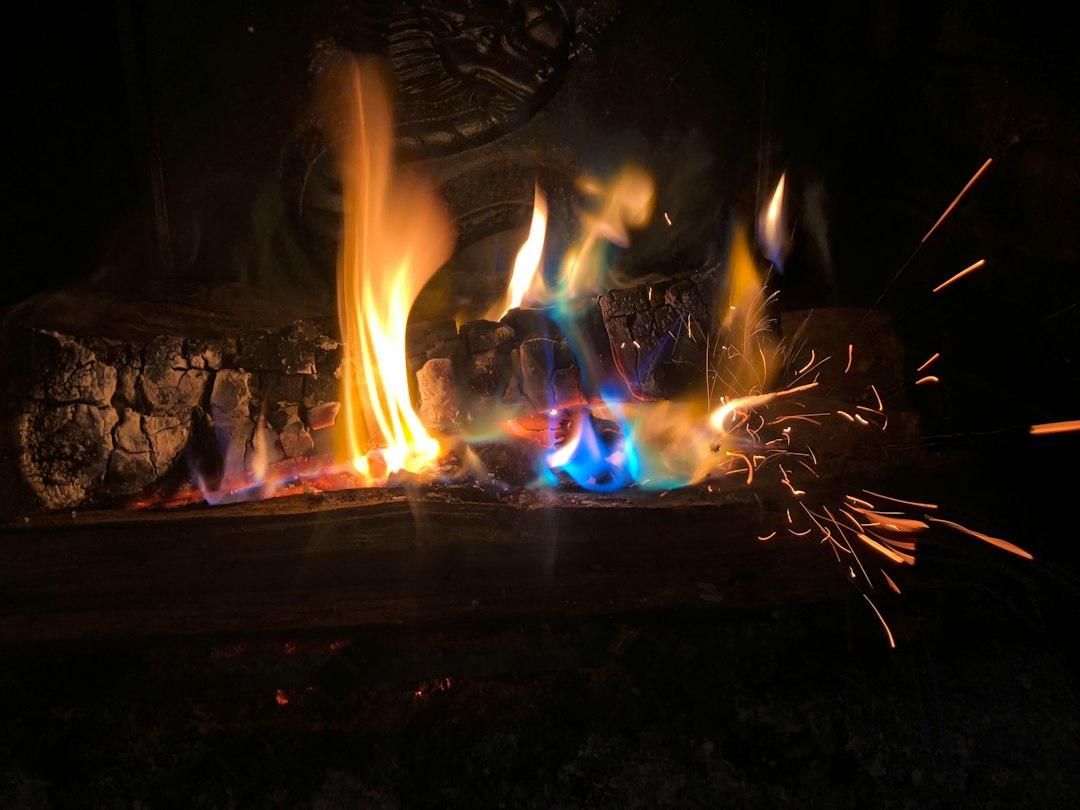
Most calls about gas fireplace repair in Hawthorne begin with the same little scene. Someone turns the control knob or presses the remote, hears the igniter tick, sees a small blue flame, and watches it die a few seconds later. Or the pilot has burned quietly all summer and the main burner simply ignores the wall switch on the first cool night in November. Either way the owner wants a number before anyone comes out.
A gas fireplace is a short chain of small parts, and the bill depends on which link has worn through. So this post names those links, says which faults tend to be small and which tend to be large, and explains what goes on the written quote we hand over after the visit. Gas hearth repair, gas fireplace cleaning and log sets are the core of what Dooley Chimney Group does, which is why we start our price talk here and not with brick.
The parts, in the order the gas meets them
Most South Bay houses and apartments with a gas fireplace still light from a standing pilot. That tiny flame stays lit day and night, and because it makes its own heat for the safety sensor, the fireplace runs without any wall outlet. The gas passes through these parts on its way to the logs:
- Shutoff valve or key. A quarter-turn valve near the hearth or behind the lower grille. A vacuum hose or a foot can nudge it half closed.
- Pilot assembly. A tiny burner, a spark igniter and a metal hood that aims the flame. Dust, lint and spider silk in the pilot tube give a weak, yellow, wandering pilot.
- Thermocouple. A thin rod that sits in the pilot flame. Heat makes it produce a very small current, and that current is the signal that tells the valve it is safe to keep gas flowing. When it tires, the pilot goes out the moment the knob is released.
- Thermopile. A heavier version of the same idea that makes enough current to run a wall switch or remote. A weak one gives a pilot that burns but a burner that will not answer.
- Gas valve. The control body the other parts bolt to. It fails less often than the parts around it and costs more to change.
- Switch, remote and receiver. Batteries, a corroded contact, a wire pinched in the wall.
- Burner, logs, embers and glass. The parts you look at. Logs set in the wrong spots make soot and a lazy orange flame. A cracked glass panel or a flattened gasket lets exhaust into the room.
- Vent. The pipe that takes exhaust out and, on a sealed unit, brings outside air in. A rusted cap, a loose joint or a nest can shut the unit down or make it smell.
Newer models trade the standing pilot for electronic ignition that lights the pilot only when you ask for a fire. They add a control module and a battery pack or wall adapter to the list.
What sets the figure on the written quote
We do not print one repair price, and the reason is simple: a cleaned pilot tube and a new gas valve can both show up as "the pilot will not stay lit", and one costs many times the other. These are the things that set the number:
- Which part is at fault. We test before we price. A meter reads the thermocouple and thermopile output, we watch the shape and colour of the pilot flame, and we check the switch circuit.
- Whether the part is still made. A unit from the 1990s may need a part the maker no longer supplies. We fit only parts the maker lists for that model, so age can change the plan.
- How the unit comes apart. Some control trays slide out the front. Others need the glass, logs and burner lifted out first.
- What travels with the fault. A tired thermocouple usually sits in a dirty pilot flame, so a cleaning often goes on the same quote.
Every line is on paper before any part is ordered, and nothing is swapped on a guess. Ask for a gas fireplace repair quote, and add the make and model from the rating plate if you can find it; that tag often hangs behind the lower grille.
Related jobs that do have a listed price
Some work that comes up during a gas fireplace visit does carry a fixed figure on this site. Here it is, in the order owners usually ask about it:
- A camera run through the full vent or flue, with a written report: $380
- A yearly visual look at the chimney or vent the fireplace uses: $53
- Swapping a tired open firebox for a sealed, glass-front gas insert: $2,700 to $5,450
- A sealed gas unit framed into a wall where no fireplace stands today: $4,350 to $8,700
A new hood and screen on top of a masonry flue that carries gas logs is quoted after we measure.
Gas fireplace service and log set work are priced after we have the unit in front of us, for the reasons in the section above.
When repair stops making sense
Most gas fireplaces we see in Hawthorne are worth fixing. A pilot assembly, a thermocouple or a new set of batteries in a receiver is a modest job compared with any replacement. The sums change when several large parts fail together on a unit whose parts are scarce: the valve, the pilot assembly and the glass all at once, say, on a model the maker stopped supporting.
In that case we write both paths side by side, the repair and a replacement, with the reasons for each. You choose. We do not talk anyone out of a working fireplace.
What you can look at, and where a technician takes over
Three things are fine to look at before you contact us, because they are not repairs: whether the shutoff valve handle sits in line with the pipe, whether the remote or wall switch has fresh batteries, and whether a breaker or wall plug feeds a unit with electronic ignition. Tell us what you found, and we will know where to start.
Past that point the work belongs to a technician. Taking off the glass frame, relighting a pilot that keeps failing, or adjusting the valve all touch the seal that keeps exhaust out of your living room, and a gasket seated badly or a log moved out of place can turn a nuisance into a carbon monoxide problem.
Hawthorne homes and the air off the coast
Hawthorne sits a few miles inland from the beach, and the damp morning air that drifts in from the ocean is hard on outdoor metal. The vent cap on the roof or the side wall is one of the first places we look, because rust there can block the exhaust long before anything goes wrong inside. On no-burn days the regional air district asks people to leave wood fires unlit; a gas flame is outside that rule, so a working gas unit is the one fireplace you can use on those nights.
We cover Hawthorne and the towns around it, including Inglewood, Manhattan Beach and Lomita. For more on choosing who does the work, read Hiring a Gas Fireplace Technician, and for the service itself see gas fireplace repair and gas fireplace cleaning.
Booking the visit
If your pilot clicks, flickers and quits again, tell us about the unit on our contact page and we will set aside enough time to test it properly before anything is priced.
Ready to Price It for Your House?
Dooley Chimney Group services gas fireplaces, log sets, inserts and the chimneys behind them from Hawthorne. Parts are metered before they are replaced, and every repair is priced on paper first.