Why water and gas parts do not mix
A wood firebox can shrug off a little rain. A gas fireplace cannot. Its burner pan is thin steel, its pilot assembly is small and delicate, its valve sits low where water collects, and the ember material on the burner soaks up moisture and clumps. After a wet season, owners in Hawthorne call us about a pilot that will not light, a burner with rusty orange patches, logs that look darker on one side, or a musty smell when the unit first warms up. Often the fireplace itself is not the problem. Water is reaching it from above.
This post explains where that water comes in, what the fix costs on this site, what we put on a written quote, and what happens to the gas parts that got wet.
Where rain finds its way in
The route depends on what kind of gas fireplace you have.
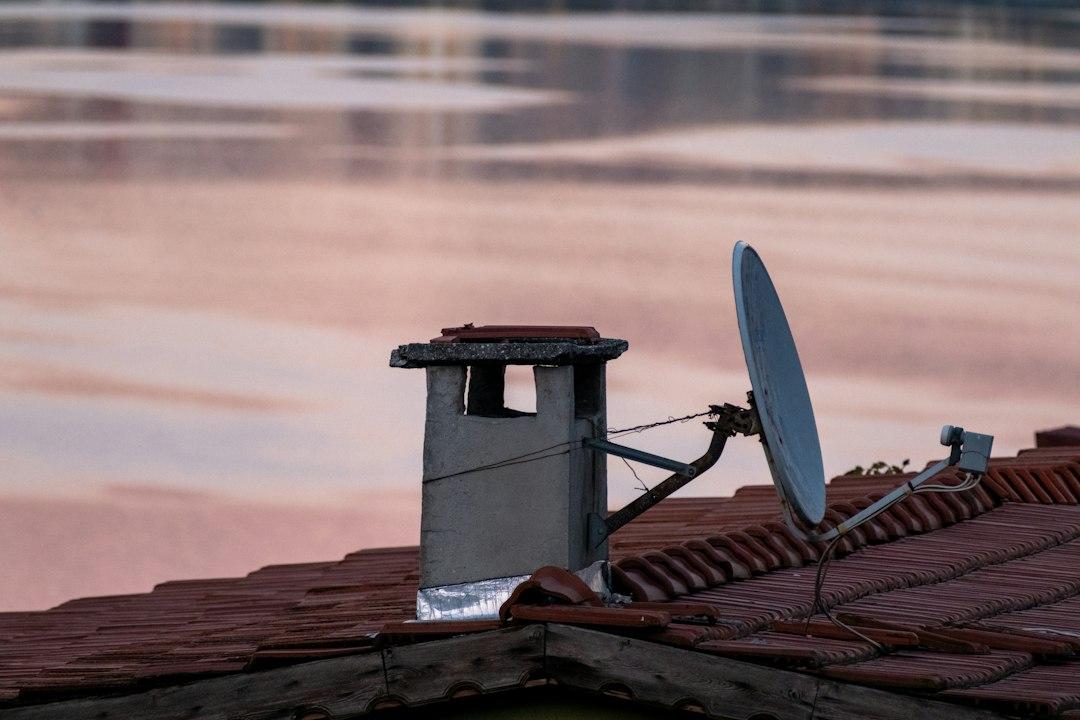
- Gas logs in a brick chimney. The flue is open to the sky unless something covers it. A missing or rusted cap lets rain fall straight onto the logs. A cracked crown lets water into the brick, where it seeps down and comes out inside the firebox.
- Where the roof meets the chimney. The metal flashing that seals that joint can lift, rust or lose its sealant. Where a broad stack faces up the roof slope, runoff and debris collect behind it, sit against the masonry and seep beneath the metal.
- Factory-built units with a framed chase. The box on the roof that hides the metal chimney is covered with a sheet metal top. When that top rusts or sags, it holds water and sends it down the inside of the chase.
- Sealed glass-front units. The vent cap on the roof or the outside wall has to be the right one, fitted the right way. A loose collar or a damaged cap lets water run along the pipe into the unit.
What happens to the gas parts
Water on the burner pan starts rust that eventually eats through. A wet pilot tube or thermocouple gives a weak or lazy pilot. Water near the valve can corrode its fittings. Wet ember material clumps and changes how the flame spreads. Once the leak is fixed, we test these parts and tell you which can stay and which need replacing.
What sets the cost of the repair
The fix depends on where the water is getting in, and we find the entry point before quoting. These figures are fixed on this site, listed here in the order we usually work through a leak:
- Finding the water's route into the house and closing it off: $545 to $3,250
- A cricket that splits runoff behind a broad stack: $435 to $980
- That diverter with fresh metal where the roof meets the brick all round: $650 to $1,600
- A camera run through the full flue if the brick is suspect: $380
A hood and screen over an open brick flue is quoted after we measure the flue.
Crown repair, a new chase top and flashing work on its own have no printed figure; each of those is measured and written up as its own line once we have been on the roof. Replacing wet gas parts such as a burner pan or pilot assembly is priced after we test them.
The entry point and the condition of the gas parts decide the written quote. Ask for a leak and gas fireplace quote, and say when the water first showed up and what kind of fireplace it is.
How we track a leak down
A leak in a chimney rarely shows up where it starts. We look at the cap, the crown, the flashing and the vent top from the roof, the firebox and burner from inside, and the attic where the chimney passes through if there is access. Stains, rust trails and soft wood point in a direction. If the route is still unclear after that, a camera run through the flue usually settles it.
On a sealed glass-front unit we also take the glass off and look inside the firebox for water marks, rust around the vent collar and a damp ember bed. Those clues tell us whether the water came down inside the vent pipe or in through the wall or roof around it, and those are two different repairs with two different prices.
Keeping water out afterwards
Once the source is fixed, some chimneys benefit from a breathable masonry treatment that resists rain without trapping moisture inside the brick. We offer it as chimney waterproofing. For a factory-built unit with a tired chase top, the fix is a new top, covered on chimney chase cover. The leak work itself sits on chimney leak repair.
Winter in Hawthorne
Hawthorne gets most of its rain in a few winter storms, often with wind behind them. That is when a weak cap or a lifted flashing edge shows itself. Between storms, the damp marine air keeps metal wet longer than it would be inland, so rust on caps and chase tops moves along faster near the coast. A look at the chimney top in early fall, before the first storm, is a sensible habit for any South Bay house with a gas fireplace.
We work in Hawthorne, Inglewood, Manhattan Beach and Lomita. For the repair side of the gas unit, see Gas Fireplace Repair Costs.
If you have water on the logs
Turn the fireplace off, leave it off until the parts are dry and tested, and let us know about the leak through the contact page so we can plan the roof and the gas visit together.
Ready to Price It for Your House?
Dooley Chimney Group services gas fireplaces, log sets, inserts and the chimneys behind them from Hawthorne. Parts are metered before they are replaced, and every repair is priced on paper first.