Short answer: yes, and the reason is the exhaust
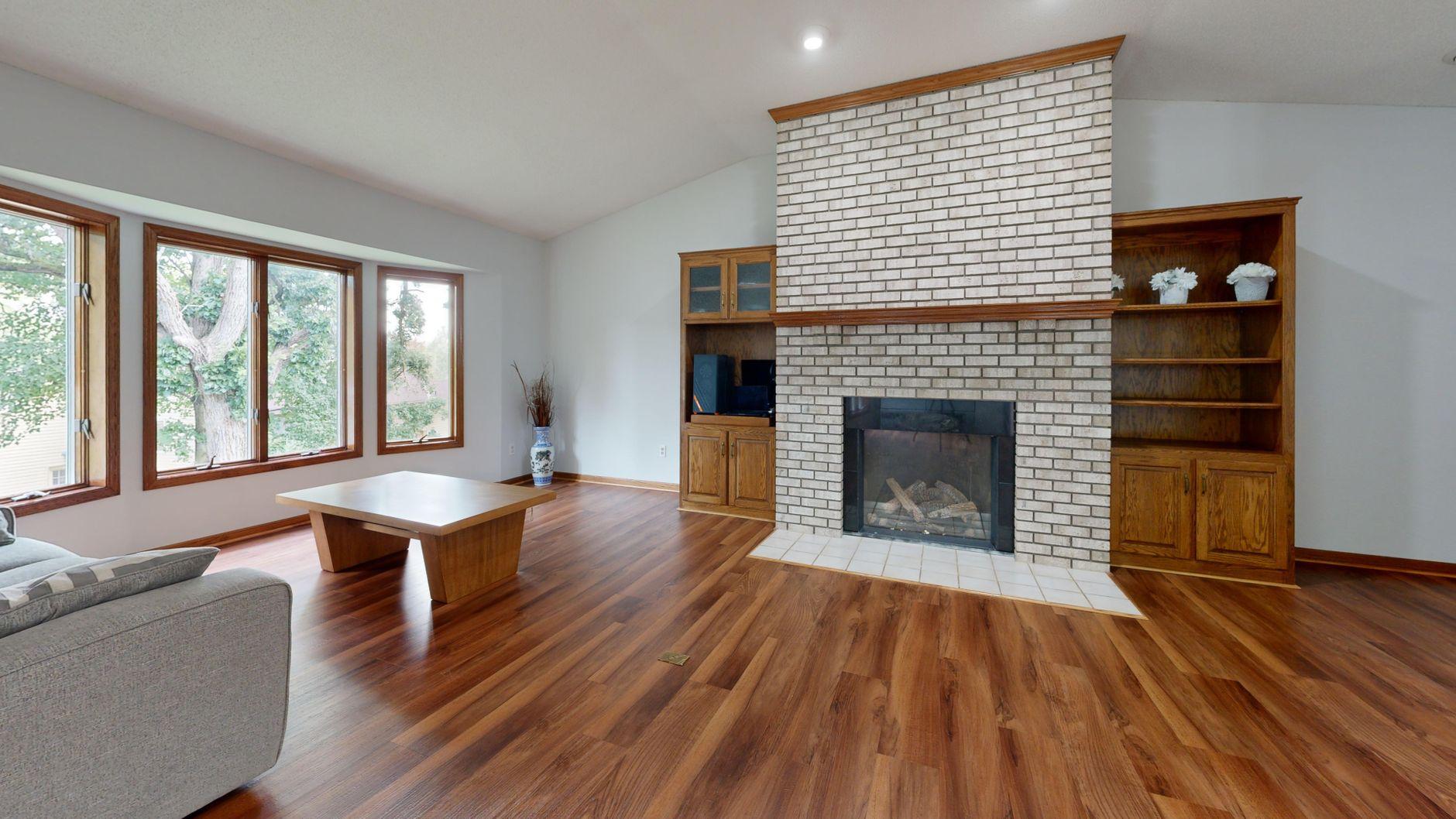
Owners in Hawthorne who order a gas insert for an old brick fireplace often assume the chimney already in the house will carry the exhaust. It will not, at least not on its own. A sealed insert is built to vent through its own pipes, and the maker's instructions say so. Even apart from the instructions, gas exhaust is a poor match for a big old masonry flue.
Wood smoke is hot and dry. Gas exhaust is cooler and full of water vapour. Sent up a wide clay flue built for a roaring wood fire, it cools before it reaches the top, the water condenses on the flue walls, and that slightly acidic water soaks into the mortar joints. Over the years the joints soften, flue tiles loosen, and the draft weakens. A liner sized for the appliance keeps the exhaust warm and moving and keeps it off the masonry.
What a liner for a gas insert looks like
Most sealed inserts use one of two layouts, and the maker decides which:
- Two flexible pipes. One carries exhaust up, the other brings fresh air down. They run side by side inside the old flue and meet at a single cap on top.
- One pipe inside another. A smaller exhaust pipe runs inside a larger air pipe, so the outer layer carries the air down around the exhaust going up.
Both are flexible aluminum or stainless pipe sold as part of a kit approved for that insert. The cap at the top is part of the same system and has to be the one the maker lists.
Other gas appliances that need a liner
The insert is not the only case. If a gas water heater and an old furnace once shared a chimney and the furnace has since been replaced with one that vents elsewhere, the water heater may now be alone in a flue far too large for it. A small, cool exhaust in a big flue drafts poorly and can spill back into the house. A liner sized for the water heater fixes that. We look for this whenever we see a chimney with more than one gas appliance connected to it.
Why the old chimney still matters
A liner does not excuse a chimney from being sound. The liner runs inside it, the cap sits on its crown, and the brick holds the whole thing up. Before any liner goes in, we run a camera through the full height of the flue to check for:
- Cracked or shifted tiles. Brick chimneys across Los Angeles County were shaken by the 1987 Whittier Narrows quake and again in the 1994 quake, and a tile split on either night can still be up there.
- Bends and offsets. Some chimneys are not straight. A flexible liner can follow a gentle bend, but a sharp one changes the plan.
- Old debris. Fallen mortar, a nest, or creosote left from years of wood fires has to come out before a liner passes.
- The top of the chimney. The crown has to be sound enough to hold the termination cap.
That camera inspection, with a written report, is $380.
What sets the price of the liner
There is no printed liner price on this site. The number comes out of the camera run, and these are the parts of it that move the figure most:
- Height. Longer runs need more pipe and more time on the roof.
- Flue size and shape. A narrow or odd-shaped flue can limit which liner layout fits.
- Bends. A straight run is simpler than one with an offset.
- The damper and smoke shelf. The old cast-iron damper frame is often in the way and has to be cut back or taken out so the pipes can drop through.
- The termination. The maker's cap, and whether the crown needs repair to hold it.
- Roof access. A steep pitch or a two-storey chimney adds setup.
Once we have the camera footage, the quote lists each of these as its own line. Ask for a camera inspection and liner quote for your insert, and say which insert make and model you have chosen, if you have one.
How this fits with the insert price
Our range for an insert installed in an existing fireplace is $2,700 to $5,450. Where the camera shows that the chimney needs work before any vent can go up it, such as a crown repair or clearing out an old blockage, that work is priced on its own line so you can see it separately. The liner itself depends on the insert's venting kit, and we confirm what is included in writing before anything is ordered.
The order of the work
A typical insert job runs in this order: camera inspection, written quote, insert and kit ordered, damper area cleared, liner dropped from the roof and connected, insert set in place and connected to gas, cap fitted, unit lit and tested, and a final look at the vent from outside. You see each stage in photos.
Hawthorne chimneys and marine air
Hawthorne is close enough to the coast that the damp air off the ocean reaches most roofs, and it is hard on any exposed metal. That is one reason we care about which cap goes on top of the liner and how it is fastened. It is also why we look at the crown carefully, because a crack there lets water run down the outside of the new liner. More on the venting side lives on chimney liner installation and fireplace inserts, and on the insert choice itself in Gas Insert or Gas Log Set?.
We also work in Inglewood, Manhattan Beach and Lomita.
Planning an insert
If an insert is on your list for this winter, start the conversation through our contact page and we will schedule the camera run before any parts are ordered.
Ready to Price It for Your House?
Dooley Chimney Group services gas fireplaces, log sets, inserts and the chimneys behind them from Hawthorne. Parts are metered before they are replaced, and every repair is priced on paper first.